Hands-Off Living: Build Seamless Smart Home Routines Without Code

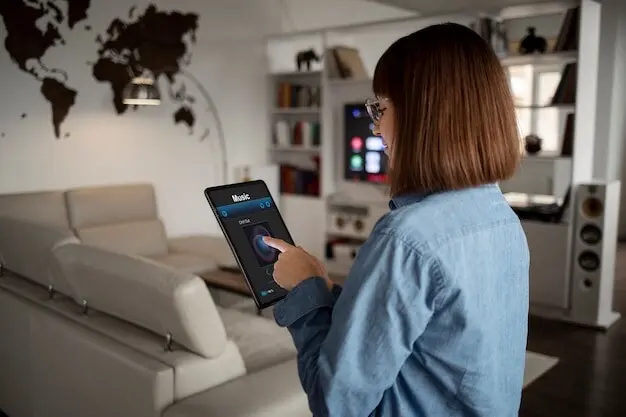
Today we dive into Creating Smart Home Routines with No-Code Tools, turning everyday moments into effortless flows across lights, climate, media, and security. You will map intentions, design dependable triggers, and build approachable automations that respect privacy, delight your household, and scale gracefully.

Start with Intent, Not Gadgets

{{SECTION_SUBTITLE}}

Wake gently, prepare confidently

Use a gentle alarm, increase lights gradually, start the kettle or coffee maker, and read out weather and calendar only after motion confirms you are awake. Build it with a simple schedule plus a presence check, avoiding surprises on weekends or holidays.

Arrivals and departures that feel natural

Let geofencing, Wi‑Fi presence, or a smart lock event cue reliable changes. When everyone leaves, lower heating, turn off forgotten lights, and arm sensors. When someone returns after sunset, light a path and resume comfort, pausing notifications that might interrupt greetings.

Choose Your No-Code Toolkit Wisely

Not all platforms excel at the same things. Compare trigger variety, condition builders, device coverage, local processing, latency, reliability, and sharing options. Favor tools that expose logs, test modes, and backups. Choosing well now reduces future maintenance, avoids vendor lock‑in, and keeps your automations understandable for every member of the household.

If–This–Unless–That guardrails

Combine a primary trigger with an unless condition to prevent awkward moments. For example, start bathroom ventilation on humidity rise unless a window is open, or announce deliveries unless a meeting is marked. One thoughtful exception often saves many subsequent edits.

Scenes with protective timeouts

Scenes package multiple states for lights, media, and climate, but add timeouts and occupancy checks so they do not linger indefinitely. If no motion returns after a movie night, fade down and lock up gently, leaving paths lit for safe cleanup.

Debounce, delay, and cool-downs

Sensors can chatter or bounce during storms or door slams. Introduce short delays, thresholds, and minimum durations before acting. Debounce motion, require sustained humidity, and cool down sirens between alerts, so your home feels attentive rather than anxious or noisy.

Privacy, Safety, and Trust by Design

Treat personal data, entry points, and cameras with humility. Keep sensitive processing local where possible, obscure precise locations, and audit who can trigger what. Build in pauses, confirmations, and manual fallbacks for actions that carry risk, so trust grows with convenience.

01

Presence sensing with dignity

Presence signals should reveal only what is necessary. Prefer coarse zones over exact coordinates, and combine multiple hints like router presence, motion, or Bluetooth rather than broadcasting journeys. Share dashboards thoughtfully, and let guests opt into visibility, not inherit it silently.

02

Thoughtful control of doors and locks

Automating a lock is powerful; restrain it with layered checks. Require presence from known phones, a disarm code, or a time window. Notify immediately on failures, and always keep a physical key path clear, respecting emergencies, visitors, and changing daily plans.
03

Power, network, and fallback planning

Power blips and internet outages happen. Put your hub and networking gear on backup power, set conservative defaults, and document manual overrides. If the cloud is unreachable, crucial lighting and safety routines should still work, even if extras pause politely.

Test, Measure, Improve

Great routines emerge from iteration. Test with notifications before affecting devices, watch logs, and invite feedback from everyone who lives with the results. Track trigger counts and runtime to catch loops or waste. Small refinements turn decent automations into trusted companions.

A calmer bedtime for everyone

In one apartment, bedtime once spiraled into negotiations. A week of tweaks added warm scene lighting, audiobook timers, and door sensors that hush alerts. The result felt caring rather than strict, and everyone woke more rested, proud of participating in the redesign.

Never leaving the garage open again

A family kept forgetting the garage door at dusk. By correlating sunset, vehicle presence, and door status, a courteous reminder appeared first, followed by an auto-close only if no movement returned. The system logged actions clearly, avoiding blame and preserving neighborly quiet.
Livokentosento
Privacy Overview

This website uses cookies so that we can provide you with the best user experience possible. Cookie information is stored in your browser and performs functions such as recognising you when you return to our website and helping our team to understand which sections of the website you find most interesting and useful.